
Water Wars
Industrial agriculture, megadrought, and the rise of AI are converging to strain the nation’s freshwater supply.

As Iowa struggles with toxic nitrate levels and rising cancer rates, Western cities and farms face shrinking snowpack and aquifers, all symptoms of a changing climate and the same extraction and thirsty economy which permeates the American landscape. We are polluting and consuming more freshwater than nature can naturally replace. A tipping point quickly nears. Are we prepared to act on this 21st-Century challenge?
Iowans, and quite frankly all of the Upper Midwest farm states, have what is known as a “water quality” problem. We all know it. It is arguably the number one political issue in the state and yet there seems to be no political will to take on the issue except for one lone candidate running for Iowa Secretary of Agriculture, Chris Jones. Other than Jones it’s pretty much crickets despite the public outcry. About Chris Jones
We have decimated our waters with agricultural pollutants i.e. herbicides, pesticides, chemicals, nutrients and sediments. The term “nutrients,” in particular, is such a sanitized, nebulous word for the poisonous slew of confined animal wastes and nitrogen fertilizer which are the Big Ag equivalent of fossil fuel carbon pollution.
Please, allow me to enter this quagmire of a story with a short entry point.
Almost two decades ago, I sailed 28,000-miles around the globe, circumnavigating the North and South American Continents on a project called “Around the Americas.” I was at sea for 400 days working on an intensive ocean and sea awareness program with an educational curriculum designed by the National Science Foundation. I was the documentary photographer/videographer for the expedition.
We deployed a very simple conservation message into our conversations, “what we humans do on the land has huge downstream consequences to our waters.” We wanted to demonstrate that we were sailing connected bodies of seas and oceans all along an island of two very large interconnected land masses.
We called our project, “One Island, One Ocean. That also ended up being the name of our book which documented the voyage. My personal connection to this larger story was that quite literally, I am the sailor from Iowa, from farm country, the same farm country adding to the disastrous “downstream consequences.”
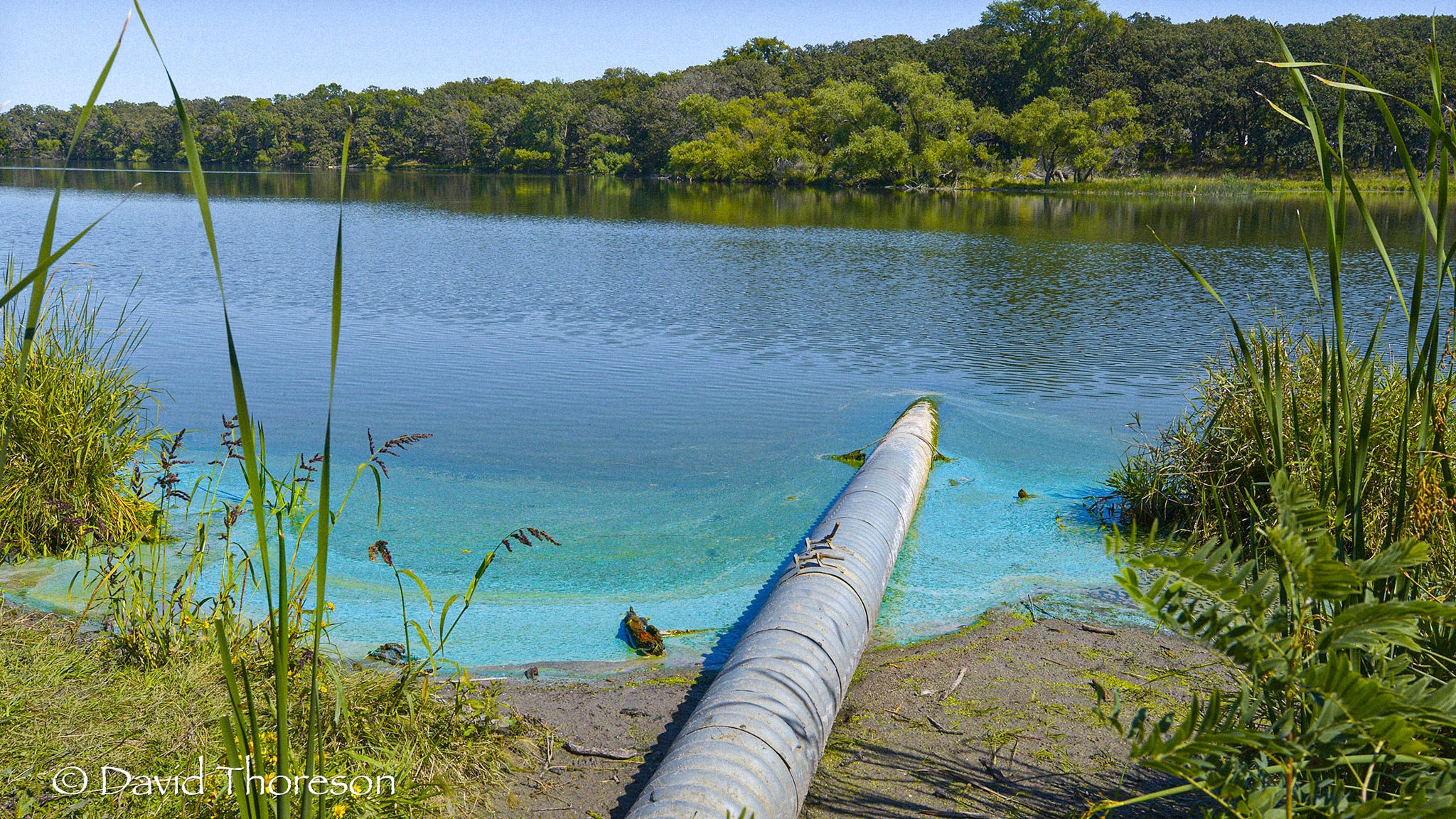
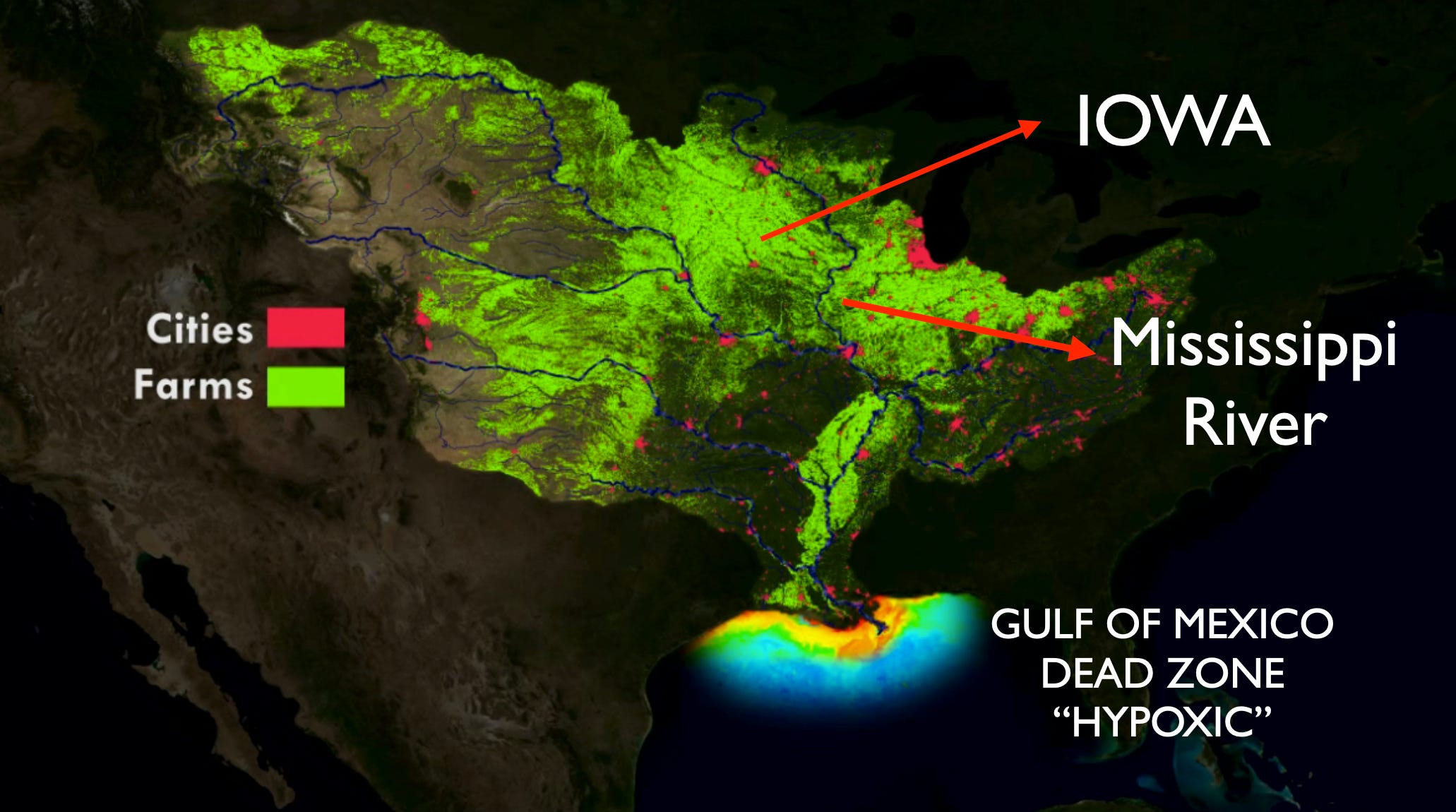
The Mississippi River watershed drains over half the United States and Iowa dumps roughly 300,000 metric tons of nitrate and another 20,000 metric tons of phosphorus, and drum roll, 110 billion pounds of manure annually onto the fields of Iowa. These nutrients (fertilizer) applied correctly stimulate plant growth, and yields, but too much fertilizer getting into our natural freshwater systems adversely affects human health, not to mention all the animal life downstream.
Iowa makes up only 4% of the watershed land mass but contributes 30% of the toxic slew of nutrients, making us the Number One polluting state by far. Of course all this toxic slew ends up in the Gulf of Mexico causing what is aptly called the Dead Zone, a low oxygen “biological desert” where life cannot exist. Great job Iowa.
How have the state’s elected officials reacted to this water quality nightmare in the last two decades? Their latest actions tell the tale. They literally just defunded the state’s water monitoring network and abruptly adjourned on May 3rd. Please see the great 24-Hour Dorman for the full story.
The long story short, they have done to nothing, but when they have it is with retribution towards any person or institution that has pushed back at the industrial agriculture model of production that has created the pollution. And don’t kid yourself, it will take hundreds of billions of dollars and decades to correct.
From defunding the renowned Leopold Center for Sustainable Agriculture at Iowa State University in response to the Des Moines Water Works lawsuit, to defunding Iowa’s real-time stream sensor network collecting nitrate data from our streams and rivers across the state. All this vindictiveness because a University of Iowa researcher (Chris Jones) dared to write some truthful blogs, and a book, about the very real cause of Iowa’s water disaster, industrial agriculture.
Iowa has a water quality crisis on its hands. This is a multi-billion dollar time bomb for future generations to solve, if they can. We have given the state’s environment a lethal dose of cancer, and now the cancer is spreading to all of us. And don’t kid yourself, corporations and AI Data Centers want the spoils of what’s left of Iowa’s dirty fresh water also. There will be nothing left.
If you don’t believe me, please read my friend Art Cullen’s column that dropped today also Drinking Us Dry for the dunk. Thank you Art.
So the “water war” in Iowa is one mostly of “quality.” It pits the majority of good Iowans who want action on clean water improvements versus the global agribusinesses that fight regulation and willfully send carcinogenic pollutants into our waters, because they can. Privatize the profits, socialize the costs to the public. Great business plan.
Meanwhile, way out west, another water war is simmering to a boil. A 40-year mega-drought amplified by climate disruption has left the west scorched and dry with dwindling snowpack in the upper Colorado River Basin. The biggest issue now facing the increasingly arid West is “water scarcity.”
On February 14, 2026, the seven state Colorado River Compact (CRC) convened to settle their water crisis, as they have many times in the past decades. But this year was different in two big ways. A federal deadline was approaching and severe drought in the Rocky Mountain river basin put the water shortage in the spotlight. Once again the discussions failed. They could not come to agreement on future water allotments that will involve major cuts.
The CRC is a 1922 interstate agreement of seven states split between those in the Upper Basin (Colorado, Wyoming, Utah, New Mexico) where most water originates as snowmelt, and the Lower Basin (Arizona, Nevada, California) where demand and population growth have been rapidly increasing.
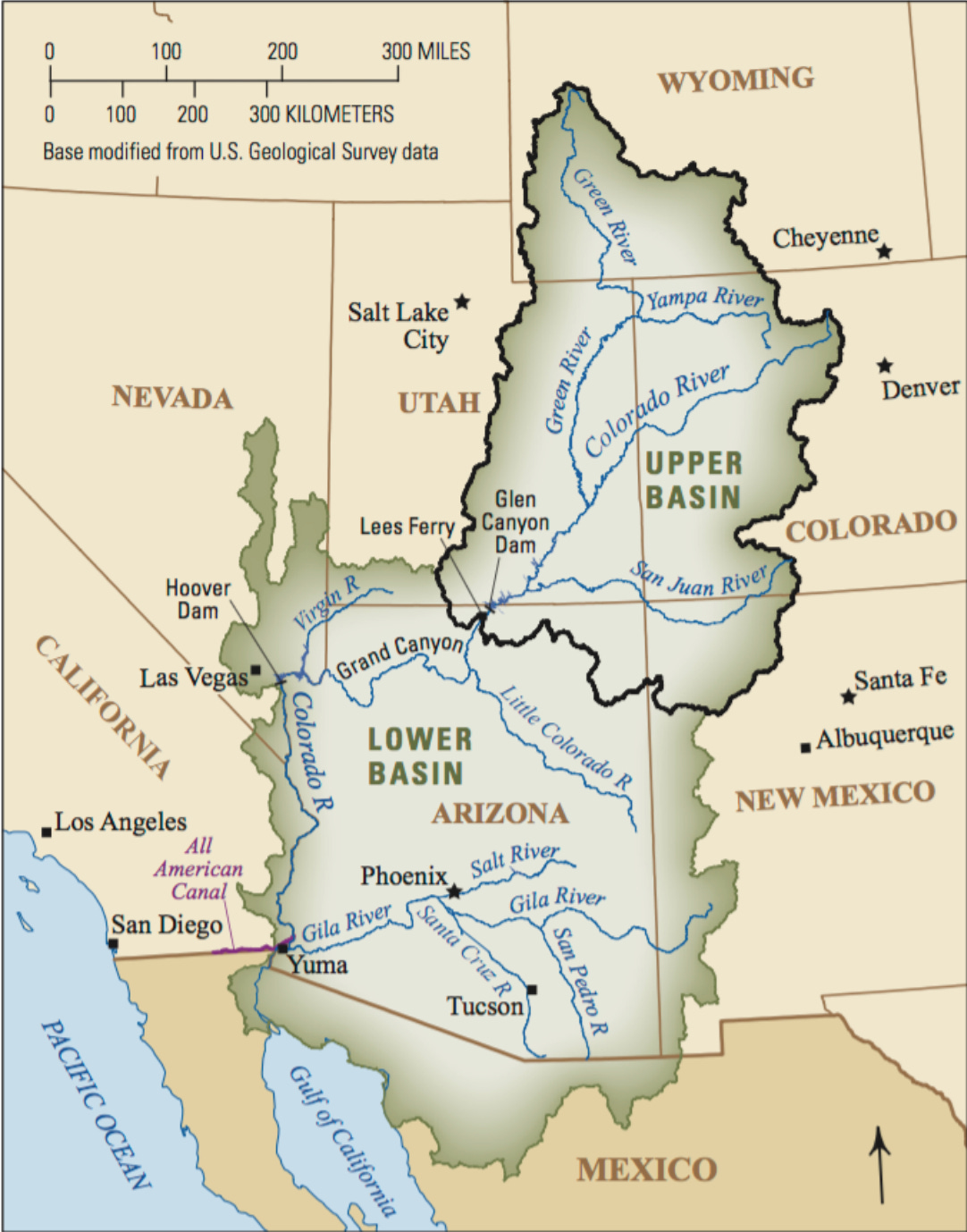
According to the century-old agreement, each basin is allocated the right to use 7.5 million acre‑feet (maf) of water per year. This has created the legal foundation for how the river is managed to this day. That legal foundation has not kept up with the rapidly-changing west however and is cracking under the relentless sun.
Imagine for a moment 15 million football fields flooded with one foot of water. That’s a lot of freshwater for each of the two basins to split, but there are now 40 million Americans in these seven states divvying up the water. The problem is the upstream states have generally been using less that their 7.5 maf and the lower basin states have been using more.
With western snowpack at an all-time low, combined with the long-term mega-drought overlay, the water available this year has thrown the seven states into the current “water war” where they cannot agree on the usage of the river going forward. No one wants to give up their water rights in each state, but the downstream states are in peril. There just isn’t enough water now.
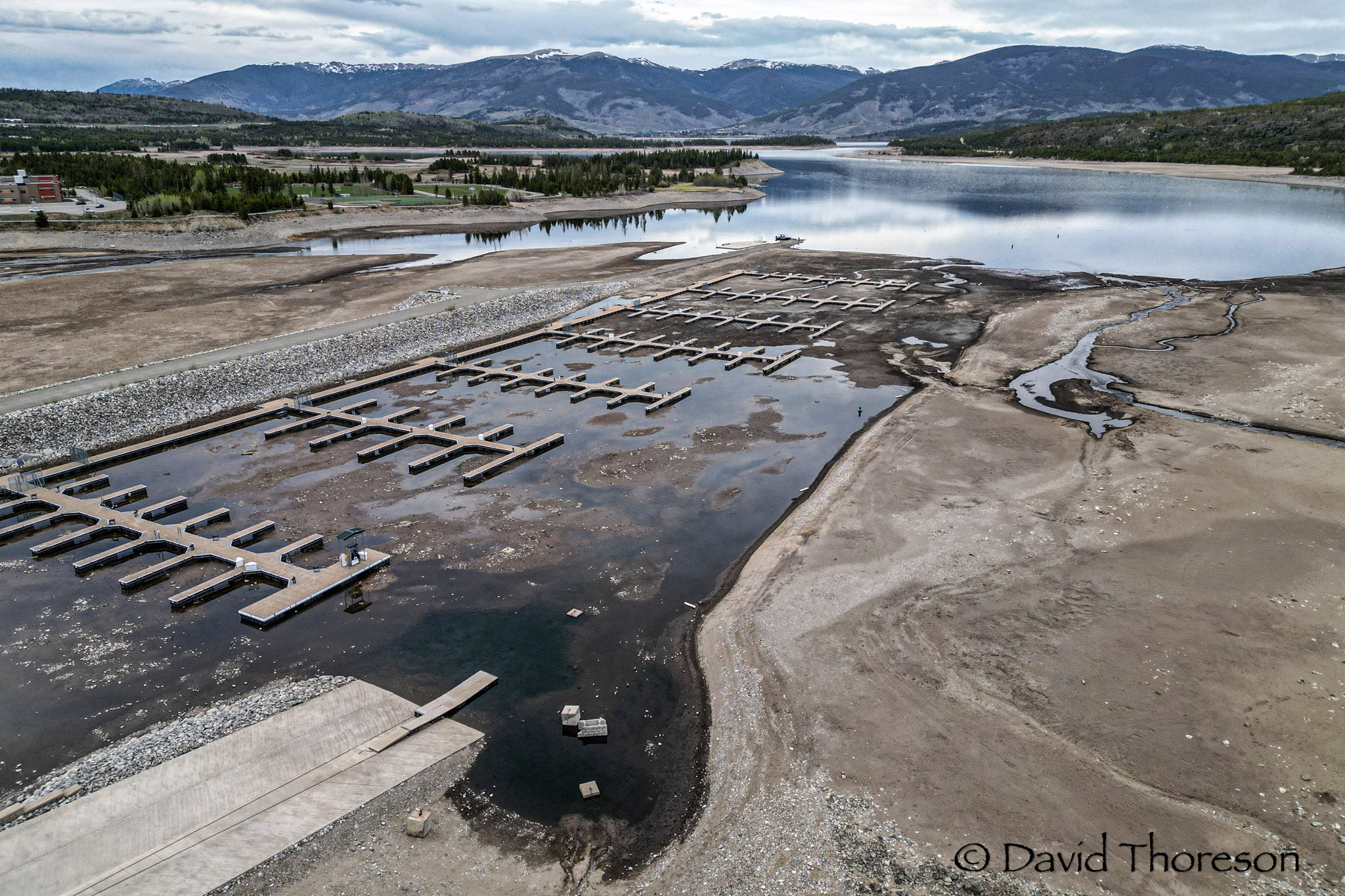
Northern Arizona’s Glen Canyon Dam was built in 1963. Lake Powell is the massive reservoir created by the structure and straddles both the Arizona and Utah borders. The dam is the water regulator, holding back and distributing the lake’s water to the Upper Basin while releasing it to the Lower Basin. The dam also generates electricity for cities like LA, San Diego and Phoenix.
This year the reservoir's inflows from mountain snowmelt are projected at just 13% of historical averages. When the water level recedes to 3490 feet above sea level at the dam it cannot generate electricity. Currently the water level sits at just 3530 feet going into the summer months. With only 40 feet of water to work with officials are scrambling into emergency mode with no agreement in place between the seven states. Brutal mandates are coming.
And now let’s revisit that CRC agreement. After missing their latest deadline, if the seven states cannot come to agreement on how to distribute the Colorado River water by October, then the federal government will step in and decide for them. Yes, the ardent conservationists, President Trump and Sec. of the Interior Doug Burgum, will decide how to distribute the water. What could possibly go wrong?
This is a preview of what the water wars of the 21st-Century look like. Each community, city, county, state and country have similar but different water issues to contend with. The severity is now being amplified by human-caused climate disruption, known as a “threat multiplier.”
Weave into the story the rise of AI “Hyper-Scaled” Data Centers with their unending thirst for water and energy, western agriculture using massive center pivot and advanced irrigation systems that use tremendous water to grow questionable row crops, produce and meat we consume - in the desert. Now overlay the explosion of population that has flocked to the south and west in the past decades and what do you get?
You get Austin, Texas. The Lone Star State currently has 400 data centers and is planning for a few hundred more to be built as it becomes the leading state for the booming, yet unrequested, AI industry. The problem? Water. Texas already has a well known water shortage and its own State Water Plan acknowledges a 4.8‑million‑acre‑foot annual deficit. Yes, you read that right.
Austin is at the very heart of this issue. In 2022, they welcomed Elon Musk and a Tesla Gigafactory to build near the city. Careful what you wish for.
The techy Capital of Texas presents a classic example of the insatiable thirst of AI Data centers and the advanced manufacturing that flows with it. Musk’s 2500-acre factory, which is also Tesla’s headquarters, somehow increased their water usage by over 200 million gallons per year for the past two years over their projections (60% increase). Couple that with the 47 AI data centers nearby which use between 300,000 to over a million gallons a day, and well, you do the math. TX Water Plan Ignores Data Centers
Water wars. State vs State, Urban vs Rural, Industrial Ag vs Sustainable Ag, State vs Fed, Communities vs Corporations, Conservationists vs Extractors, Residents vs the County, Neighbor vs Neighbor. The water wars are here and thanks to AI they just became hyper-scaled.
Have you explored the variety of writers in the Iowa Writers’ Collaborative? We are writers and creators from around the state and contribute commentary and feature stories of interest to those who care about Iowa, and as you witness here, well beyond. Please consider a paid subscription.
Denver water has already drained one of our drought reservoirs, destroying sport fishing there. Those not relocated or caught, will simply die. It’s unconscionable. Now we have Pearce at BLM who claims to be so stupid as to state that cutting down more trees will increase water supplies in the West. He’s merely a shill for the extractive industries and a well-known grifter
Thank you for another reality check. According to drought.gov over 52 percent of US and Puerto Rico in drought status. Southern, Western and Mid-East regions are very compromised. A few weeks ago I read that North Dakota and Michigan were the only states not considered in the drought zone. Water is gold.